The Hidden Health Risks of a Dirty Trash Can, What's Actually Growing In There
By The Bin & Beyond Team · Published August 28, 2026
A trash bin is a warm, dark, humid container that receives a fresh supply of organic material every week and is almost never cleaned. From a microbiology standpoint that is close to an ideal incubator, and in Southern California the heat removes the one variable that would otherwise slow it down.
What Is Actually Living in an Uncleaned Bin
Bacteria from food waste
Raw meat packaging, spoiled produce, dairy, and pet waste routinely introduce E. coli, Salmonella, and Listeria into a residential bin. Studies of household waste containers consistently find these organisms present. They persist in the residue on the bin wall well after the bag is gone, and they multiply fastest in exactly the temperature range a bin reaches on a summer afternoon in the San Gabriel Valley or inland Orange County.
Mold and airborne spores
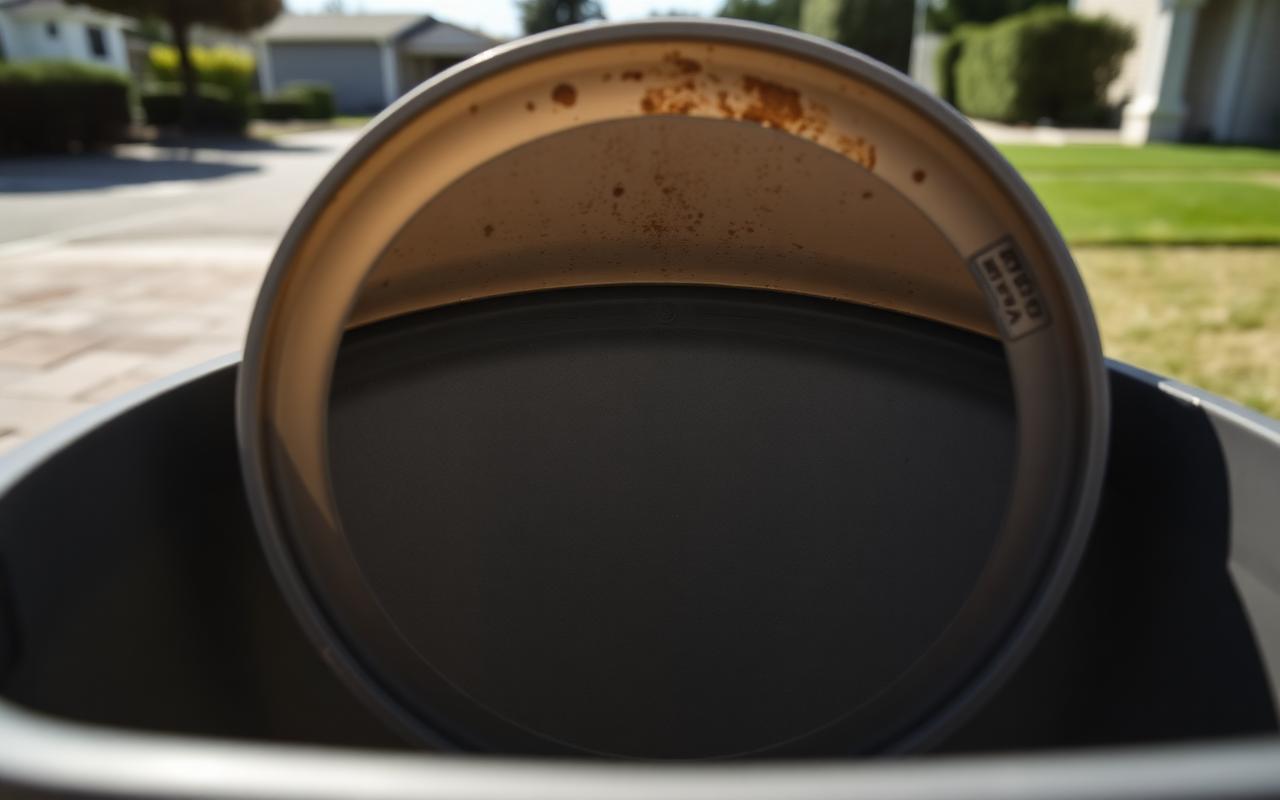
Damp organic residue supports mold growth on the lid underside and interior walls. Opening the lid on a hot day releases spores directly into your breathing zone, which matters more if anyone in the household has asthma or respiratory sensitivity. Southern California's poor summer air quality already puts stress on those conditions.
Flies and maggots
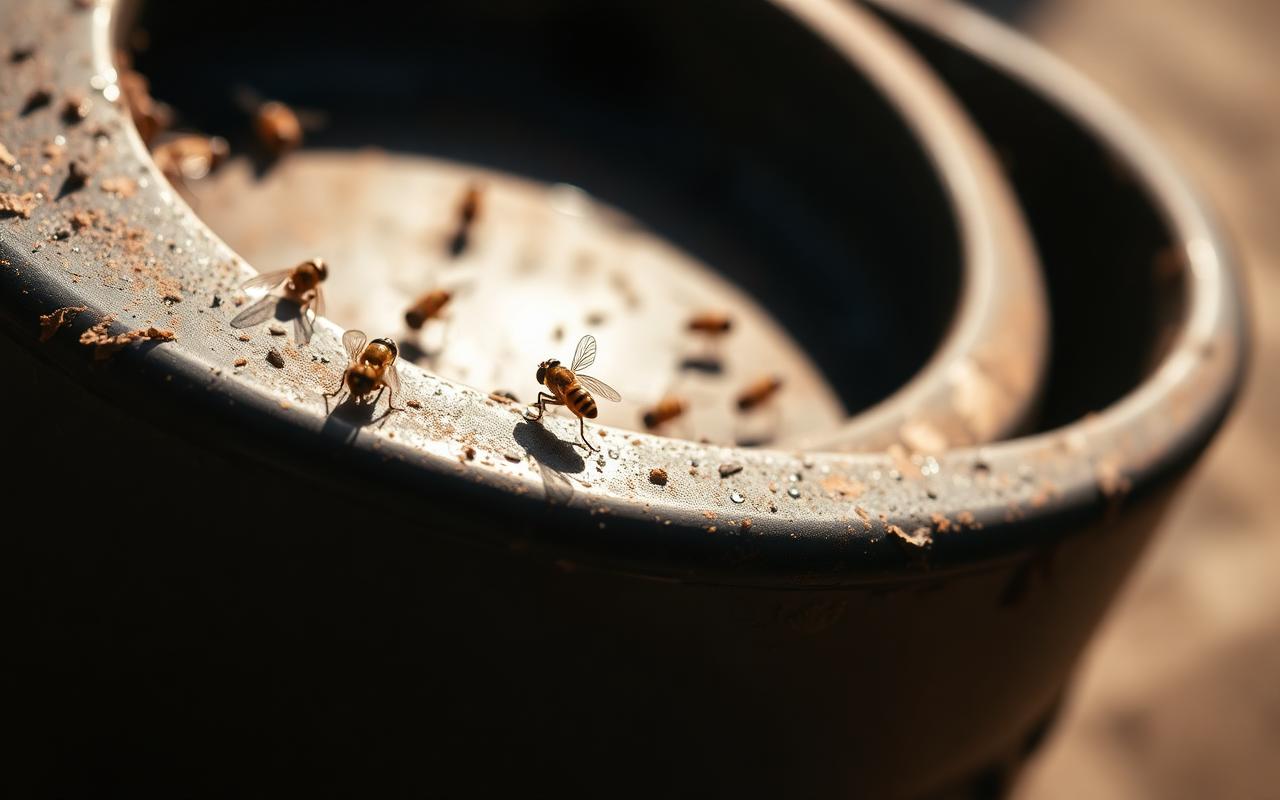
House flies lay eggs on organic residue and those eggs hatch in as little as 8 to 20 hours at high temperatures. That is why maggots appear in a bin in a single afternoon here rather than over several days. Adult flies then move between the bin and any nearby outdoor eating area, which is the actual contamination pathway most people overlook.
Rodents and wildlife
Residue odor is a primary attractant for rats, mice, raccoons, and opossums, all common across Los Angeles and Orange County neighborhoods. Beyond the mess of a tipped bin, rodent activity around a home is associated with real disease risk and often precedes an attic or crawlspace infestation.
Reset the whole environment
Hot water pressure washing plus a sanitizing and deodorizing treatment, from $35 a month.
See Bin Cleaning PlansWhy This Is Worse in Southern California
Three local factors compound the problem. Sustained high temperatures accelerate bacterial reproduction and shorten fly life cycles. Long dry stretches mean bins are never naturally rinsed the way they are in rainier climates, so residue accumulates continuously. And weekly pickup intervals mean organic waste sits in a heated container for up to seven days before it leaves.
The result is that bins here reach a problematic condition in months rather than years, which is why national cleaning advice underestimates the interval so badly.
Who Is Most at Risk
- Small children, who play near where bins are stored and touch surfaces frequently
- Anyone with asthma or respiratory sensitivity, due to spore exposure when opening the lid
- Households with immunocompromised members
- Pets, which are drawn to residue odor and will investigate a bin directly
- Anyone who eats outdoors near where bins are kept
Practical Risk Reduction
- Bag wet waste separately and tie it, never place loose food scraps in the bin
- Keep the lid fully closed and the bin out of direct afternoon sun where possible
- Wash your hands after handling the bin, especially before eating outdoors
- Do not store bins next to a patio dining area or a child's play space
- Have the bin sanitized on a schedule rather than only when it becomes obvious
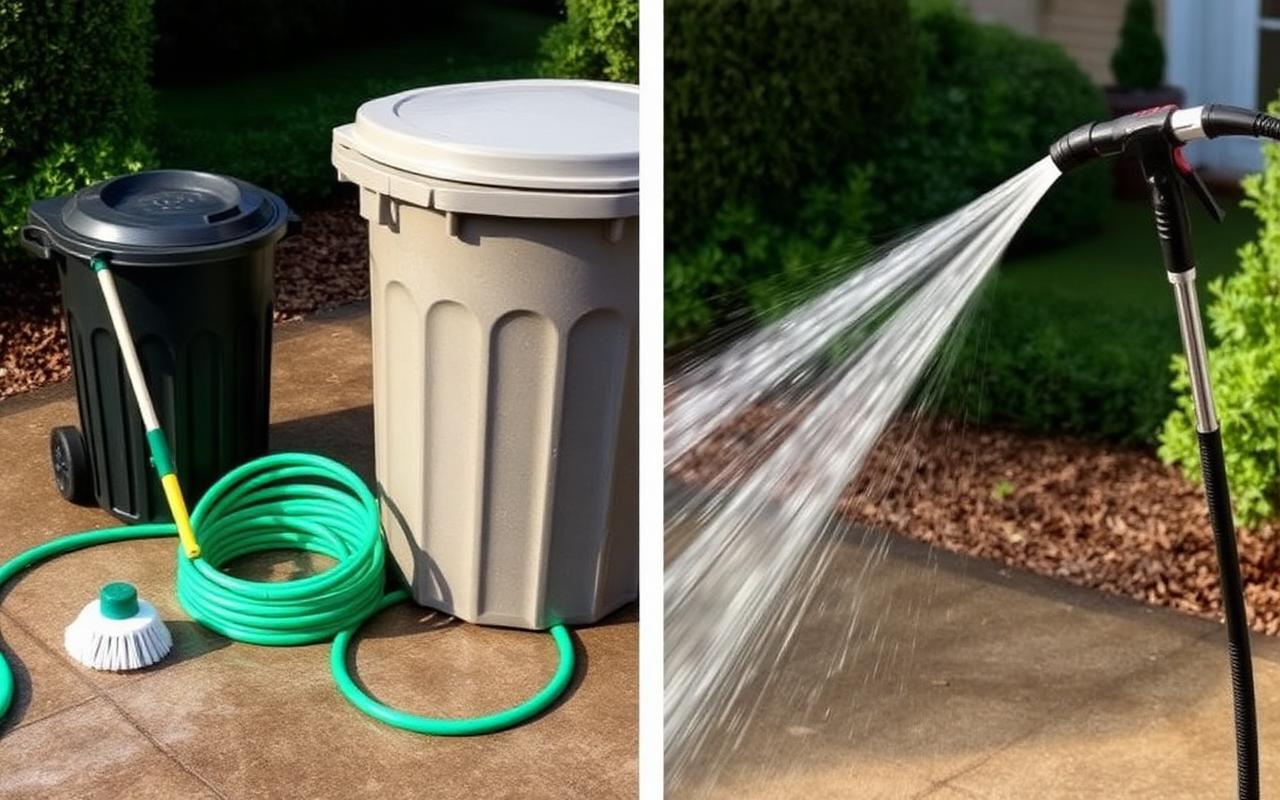
A hot water clean followed by a sanitizing treatment removes the residue layer these organisms depend on. That is the intervention that actually breaks the cycle, rather than deodorizing over the top of it. Our guide to why bins keep smelling explains why surface rinsing does not accomplish the same thing.
Sanitized, deodorized, done at the curb
Recurring and one time cleanings across Los Angeles County and Orange County.
See Bin Cleaning PlansWritten by the Bin & Beyond Team, serving Los Angeles and Orange County.
We clean residential and commercial bins curbside with hot water pressure washing, and haul bulk items across LA and OC. More about us.