Why Does My Trash Can Smell Even After I Take the Trash Out?
By The Bin & Beyond Team · Published August 28, 2026
You pulled the bag, you rinsed it, you sprinkled baking soda in the bottom, and the next morning the smell is back. This is one of the most common complaints we hear from homeowners in Los Angeles and Orange County, and the reason is simpler than most people expect: the smell was never coming from the trash. It is coming from the can.
The Smell Lives in the Plastic, Not the Bag
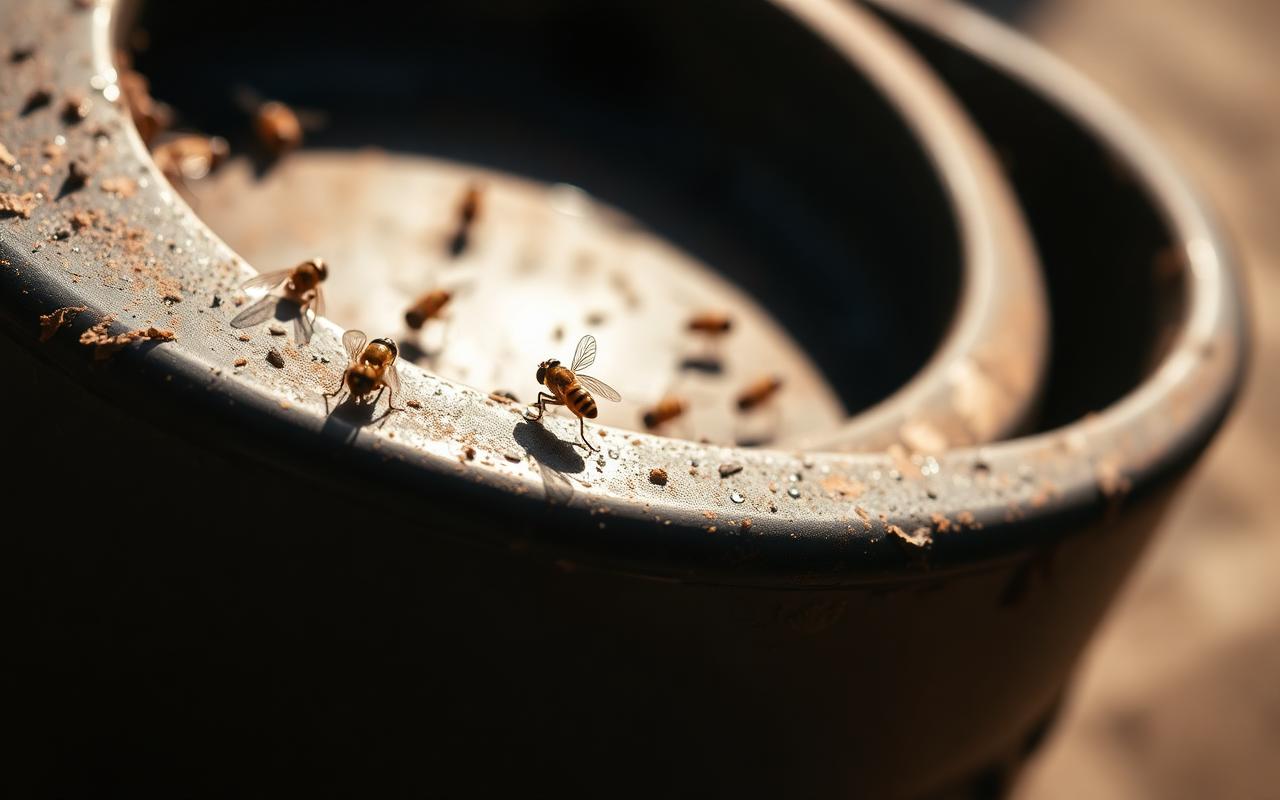
Every time a bag leaks, sweats, or splits, a small amount of liquid runs down the inside wall and settles in the ribbed base of the bin. That liquid dries into a thin organic layer. Bacteria colonize that layer and produce the sulfur and ammonia compounds your nose registers as garbage smell. Once that film exists, removing the bag does nothing, because the source is bonded to the plastic.
Why It Is Worse Here Than Elsewhere
Southern California gives that film ideal growing conditions. A bin sitting against a west facing garage wall in Bellflower or La Habra can reach interior temperatures well above the outside air temperature on a summer afternoon. Warmth accelerates bacterial reproduction, and our long dry stretches mean nothing ever rinses the bin naturally the way regular rainfall does in other parts of the country. The result is a can that gets progressively worse month over month rather than resetting.
The Four Places the Odor Usually Hides
- The ribbed channels at the very bottom, where liquid pools and never fully dries
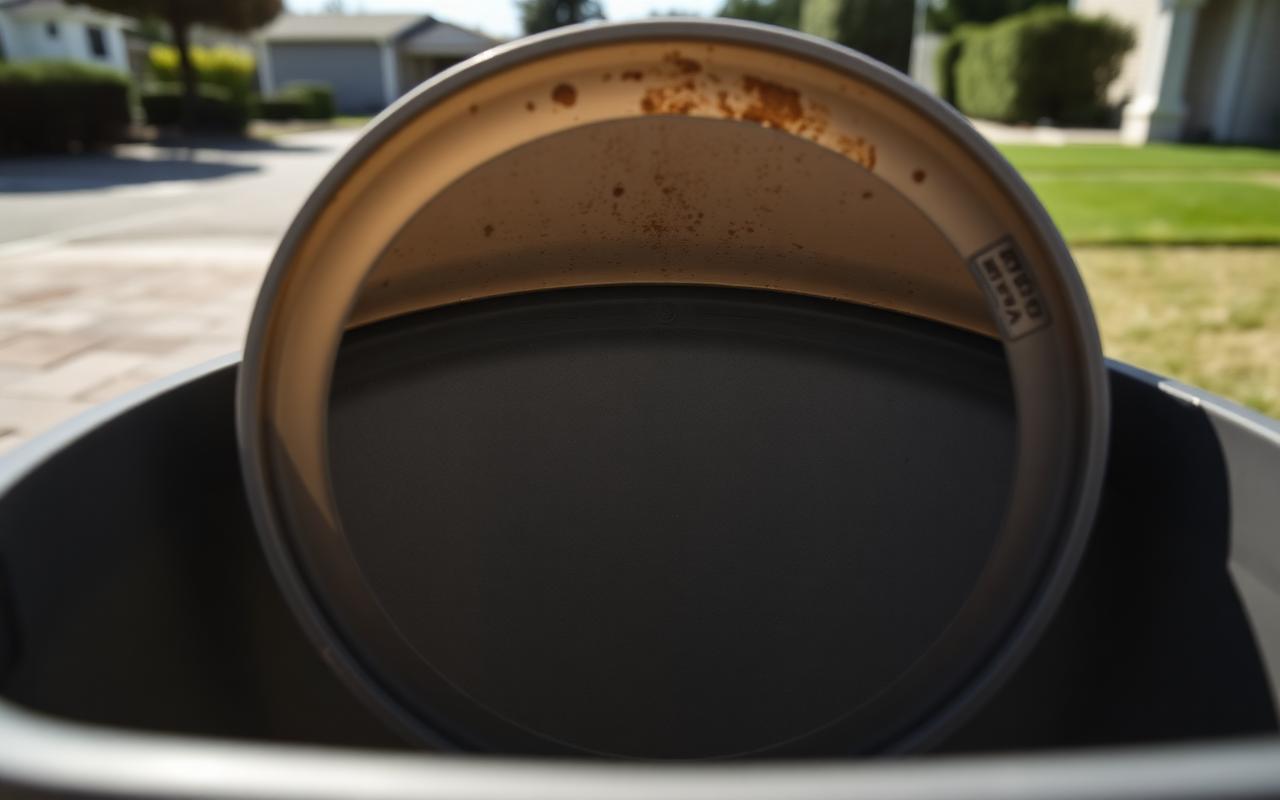
- The underside of the lid, where condensation collects and drips back down
- The lid hinge and rim gasket, which trap debris and stay damp
- Scratches and gouges in the interior wall, which give bacteria a protected surface
What Actually Works, and What Does Not
Things that mask the smell
Baking soda, dryer sheets, air freshener discs, and citrus peels all absorb or cover odor temporarily. They do not remove the film producing it, so the effect fades within a day or two and the underlying problem keeps growing.
Things that partially help
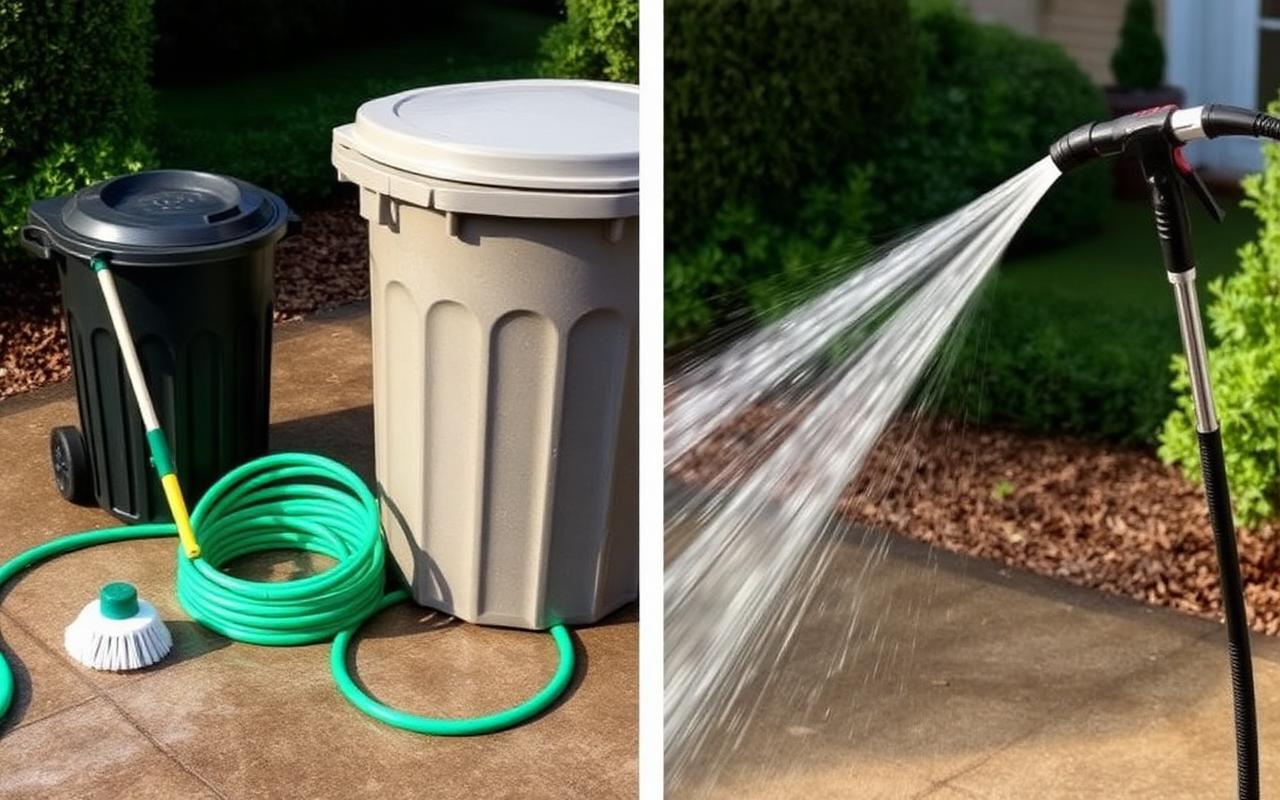
A stiff brush, dish soap, and hot tap water will genuinely improve a bin that is only mildly dirty. Diluted bleach kills surface bacteria but does not dissolve the residue holding them, and it damages some bin plastics over time. Both approaches also leave you with several gallons of contaminated water that should not go into a storm drain.
Stop fighting the smell every week
We clean the inside and outside of each bin with hot pressurized water, then sanitize and deodorize, right at the curb.
See Bin Cleaning PlansWhat removes it
Heat plus pressure. Water at high temperature softens the organic layer and high pressure strips it off the wall, including out of the ribbed base where a brush cannot reach. Following that with a sanitizing and deodorizing treatment kills what is left and resets the surface. That combination is what makes a professionally cleaned bin stay neutral smelling for weeks instead of days.
How to Keep It From Coming Back
- Double bag anything wet, especially food scraps, diapers, and pet waste during summer
- Store the bin in shade if you have the option, even partial shade meaningfully slows bacteria growth
- Leave the lid open for an hour after pickup so the interior fully dries
- Put the bin on a recurring cleaning schedule rather than reacting once the smell is bad
If your bin has reached the point where you notice it from the driveway, a single deep clean will reset it and a monthly or quarterly schedule will keep it that way. See our residential plans, or read our guide on how often to clean bins in Southern California for a schedule that matches your household.
Reset your bins for good
One time deep cleans and recurring plans available across Los Angeles and Orange County.
See Bin Cleaning PlansWritten by the Bin & Beyond Team, serving Los Angeles and Orange County.
We clean residential and commercial bins curbside with hot water pressure washing, and haul bulk items across LA and OC. More about us.